LAHORE/ISLAMABAD: As an unexpected rise in temperature has accelerated the start of cotton cultivation across most cotton-growing zones, a new study warned that the risk to the sector posed by climate change is being aggravated due to administrative weaknesses including poor pest surveillance, limited crop insurance and insufficient traceability systems.
Institutional fragmentation remains a major constraint, according to the study. There is no single accountable entity responsible for national cotton outcomes, resulting in limited data integration, weak risk-sharing frameworks, and inadequate export compliance systems.
The report, produced by EMPAK Strategies, dedicated to fostering a proactive, adaptive, and strategically sound approach to Pakistan’s foreign and security policies, highlighted that Pakistan was no longer self-sufficient in the sector as it has to import cotton worth US$2-3 billion annually, which could negatively affect Pakistan’s export competitiveness.
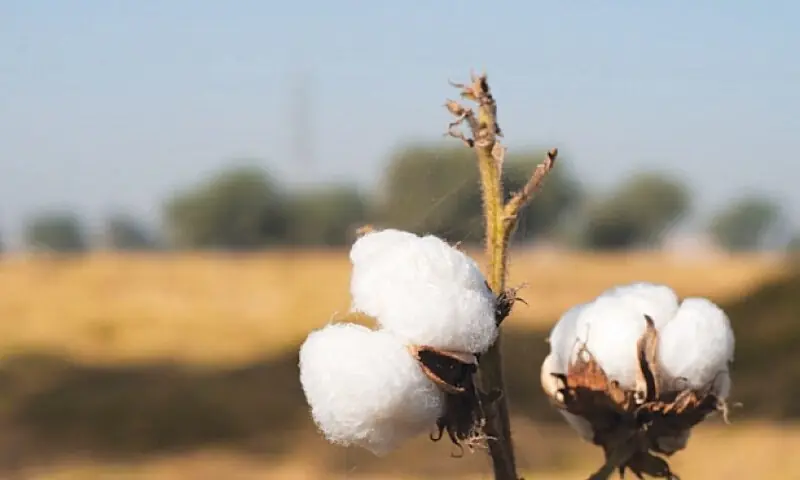
On the other hand, temperatures in Sindh’s coastal cities, including Thatta, Badin, Gharu, Golarchi, Mirpur and Tando Muhammad Khan, reached up to 35°C, prompting the rapid commencement of cotton sowing in these areas. Sowing is expected to begin in Sindh cities such as Sanghar, Mirpurkhas, Hyderabad and Umerkot, as well as in Punjab districts of Bahawalnagar, Bahawalpur, Vehari, Sahiwal, Pakpattan and Toba Tek Singh within the next eight to 10 days.
Sowing season arrives early as unexpected temperature rise accelerates cultivation in Sindh’s coastal cities
The Punjab Agriculture Department has set a target of cultivating early cotton on 700,000 acres for this season. The department designated Multan, Dera Ghazi Khan, Sahiwal and Faisalabad divisions for early cotton sowing. Surprisingly, Bahawalpur division, which has historically led Punjab in early cotton cultivation, has not been included in the campaign.
For several years, the Bahawalnagar district has recorded the highest acreage under early cotton in Punjab. Additionally, large-scale early cultivation takes place in Bahawalpur and in the Cholistan areas.
Despite this, these districts have been excluded from the early cotton initiative and instead categorised under regular seasonal cultivation, causing widespread concern among cotton stakeholders.
Cotton Ginners Forum Chairman Ihsanul Haq said that several sugar mills had decided to expand sugarcane cultivation in their respective areas. To incentivise farmers, they were offering fertilisers, agricultural chemicals, machinery, and even cash. This development has raised fears that increased sugarcane cultivation may reduce the area available for cotton farming.
Mr Haq urged the federal and provincial governments to sympathetically consider the demands of the textile and cotton industries to help reverse declining exports and strengthen the country’s trade performance.
Climate risk factor
In its report, EMPAK Strategies think tank identified climate change as a key risk factor, while also noting that administrative weaknesses intensified the crisis.
Weak seed quality regulation, inadequate extension services, poor pest surveillance, limited crop insurance, and insufficient traceability systems have increased farmers’ vulnerabilities, it said, adding that lack of coordination between federal and provincial authorities further hampered effective policy implementation.
The research report warned that if timely and comprehensive measures were not taken, Pakistan’s cotton sector could weaken further, with serious implications for the national economy and exports.
Without integrated governance structures that align environmental management, institutional accountability, and financial innovation, productivity recovery will remain temporary, the report said.
The EMPAK report proposed transitioning from fragmented, subsidy-driven farming towards an integrated Cotton-as-a-Service (CaaS) model based on cluster production, performance-linked service delivery, digital traceability, and yield-linked finance.
Supported by Development Finance Institutions and risk-sharing instruments such as first loss guarantees, this approach aims to improve productivity, strengthen climate resilience, enhance export compliance, and attract private investment.
Published in Dawn, February 16th, 2026
About the Author